

Embark on a journey to discover how smarter resource management can lead to significant cost reductions. Exploring the intricacies of resource allocation, utilization, and cost-effective practices, this topic delves into the art of maximizing efficiency and minimizing wastage in a business setting.
Understanding Resource Management
Resource management in a business context involves the efficient and effective planning, allocation, and utilization of various resources to achieve organizational goals. This includes human resources, financial resources, time, equipment, and materials.
Importance of Effective Resource Management
Effective resource management is crucial for cost reduction as it helps businesses optimize their resources, minimize waste, and improve productivity. By managing resources efficiently, businesses can lower operational costs, increase profitability, and gain a competitive edge in the market.
Types of Resources in Business Setting
- Human Resources: Managing employees' skills, time, and workload to maximize productivity and performance.
- Financial Resources: Monitoring and controlling expenses, investments, and cash flow to ensure financial stability and growth.
- Time: Allocating time effectively to tasks, projects, and processes to avoid delays and optimize efficiency.
- Equipment: Maintaining and utilizing equipment properly to prolong its lifespan and reduce maintenance costs.
- Materials: Managing inventory levels, sourcing materials cost-effectively, and minimizing waste in production processes.
Strategies for Smarter Resource Allocation
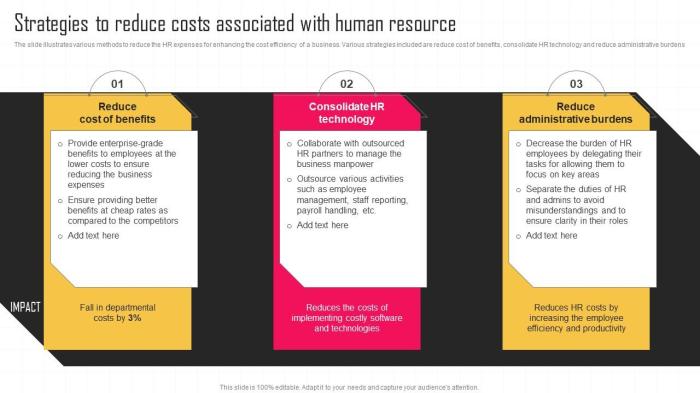
Resource allocation plays a crucial role in reducing costs for businesses by ensuring that resources are used efficiently and effectively. By prioritizing resources based on business needs and goals, organizations can optimize their operations and enhance overall productivity.
Methods for Prioritizing Resources
- Conduct a thorough analysis of the company's objectives and goals to identify key areas that require the most resources.
- Implement a system for tracking resource usage and performance to make data-driven decisions on allocation.
- Regularly review and reassess resource allocation strategies to adapt to changing business conditions and priorities.
Tools and Software for Efficient Resource Allocation
-
Enterprise Resource Planning (ERP) systems
provide comprehensive solutions for managing resources across different departments and functions.
-
Project management tools
such as Trello, Asana, or Microsoft Project can help in allocating resources effectively for specific projects.
-
Resource management software
like ResourceGuru or Float offer features for scheduling, tracking, and optimizing resource allocation.
Optimizing Resource Utilization

Optimizing resource utilization is crucial for reducing costs and maximizing efficiency within a business. By ensuring that resources are used to their full potential, companies can avoid unnecessary expenses and improve overall productivity.
Identifying Underutilized Resources
Before optimizing resource utilization, it is essential to identify any underutilized resources within the business. This can include equipment, personnel, or even office space that is not being fully utilized
- Conduct regular audits to assess the usage of resources and identify any areas of underutilization.
- Implement tracking systems to monitor resource usage and identify patterns of inefficiency.
- Encourage open communication among employees to identify any unused resources or areas for improvement.
Maximizing Efficiency to Reduce Wastage
Once underutilized resources have been identified, strategies can be implemented to maximize efficiency and reduce wastage.
- Implement training programs to ensure that employees are using resources effectively and efficiently.
- Utilize scheduling tools to optimize the use of equipment and minimize downtime.
- Implement recycling and waste reduction programs to minimize the impact of resource wastage.
- Regularly review and adjust resource allocation based on changing business needs and demands.
Implementing Cost-Effective Practices
Implementing cost-effective practices is crucial for efficient resource management. By integrating these practices, businesses can reduce costs and improve overall performance. Monitoring and evaluating resource usage plays a key role in identifying areas where cost reduction can be achieved. Successful cost-saving initiatives through smarter resource management have been seen in various industries, showcasing the benefits of implementing such practices.
Regular Monitoring and Evaluation
Regularly monitoring and evaluating resource usage is essential for identifying inefficiencies and areas where cost-saving opportunities exist. By keeping track of resource consumption and analyzing data, businesses can make informed decisions on where to allocate resources more effectively.
- Implementing automated monitoring systems to track resource usage in real-time.
- Conducting regular audits to identify wastage and inefficiencies in resource utilization.
- Leveraging data analytics tools to analyze patterns and trends in resource consumption.
Implementing Lean Practices
Implementing lean practices in resource management can significantly reduce costs while maintaining productivity levels. By eliminating waste and streamlining processes, businesses can optimize their resource allocation and utilization.
- Adopting a just-in-time inventory system to reduce excess inventory holding costs.
- Implementing cross-training programs to maximize employee skills and reduce labor costs.
- Implementing energy-efficient technologies to reduce utility costs and environmental impact.
Outsourcing Non-Core Functions
Outsourcing non-core functions can be a cost-effective way to manage resources efficiently. By entrusting certain tasks to specialized external providers, businesses can reduce overhead costs and focus on their core competencies.
- Outsourcing IT services to specialized firms to reduce infrastructure and maintenance costs.
- Partnering with third-party logistics providers to streamline supply chain operations and reduce transportation costs.
- Utilizing freelance or contract workers for specific projects to avoid long-term hiring costs.
Outcome Summary
In conclusion, by implementing the strategies Artikeld for smarter resource management, businesses can pave the way for substantial cost savings while optimizing their operations. It's all about making the most out of available resources and steering towards financial efficiency.
Key Questions Answered
How can resource management contribute to cost reduction?
Effective resource management ensures that resources are utilized optimally, reducing unnecessary expenses and maximizing efficiency.
What tools or software can help in efficient resource allocation?
Tools like project management software, resource scheduling applications, and cloud-based collaboration platforms can aid in efficient resource allocation.
Why is monitoring resource usage important for cost reduction?
Monitoring resource usage allows businesses to identify areas of improvement, track progress, and make informed decisions to reduce costs effectively.




![[Infographic] 5 Key Workflow Automation Trends | Quixy](https://management.radarcirebon.tv/wp-content/uploads/2025/10/The-Rise-of-Workflow-Automation-5-Key-Trends-to-Keep-Your-Business-Ahead--120x86.png)


![Checklist: How to protect your digital life [PMP #136] - Paul Minors](https://management.radarcirebon.tv/wp-content/uploads/2025/10/checklist-protect-your-digital-life-120x86.jpg)


![Checklist: How to protect your digital life [PMP #136] - Paul Minors](https://management.radarcirebon.tv/wp-content/uploads/2025/10/checklist-protect-your-digital-life-350x250.jpg)
