

Embark on a journey exploring the differences between Corporate Travel Management and Traditional Booking Methods, uncovering the advantages and challenges each method brings to the table.
Delve into the intricacies of cost analysis, technology integration, and real-life scenarios to understand the impact of these travel management approaches.
Corporate Travel Management
Corporate travel management involves the strategic management of a company's travel expenses and policies to optimize efficiency, cost-effectiveness, and employee satisfaction when it comes to business travel.Tools and Technologies
- Online booking platforms: Platforms like Concur or Egencia allow employees to book flights, hotels, and rental cars in one place.
- Expense management software: Tools like Expensify or Certify help track and manage travel expenses.
- Travel policy compliance tools: These tools ensure employees adhere to company travel policies, helping control costs.
Benefits of Implementing
- Cost savings: By leveraging negotiated rates and monitoring expenses, companies can save money on travel.
- Improved compliance: Ensuring employees follow travel policies reduces the risk of non-compliant behavior.
- Enhanced traveler experience: Streamlined booking processes and access to support services can improve the overall travel experience for employees.
Efficiency Comparison
Corporate travel management systems offer a more efficient solution compared to traditional booking methods. With centralized booking platforms, automated expense tracking, and policy enforcement tools, companies can streamline the entire travel process, saving time and resources. In contrast, traditional methods often involve manual booking processes, lack of visibility into expenses, and limited control over compliance, leading to inefficiencies and higher costs.Traditional Booking Methods
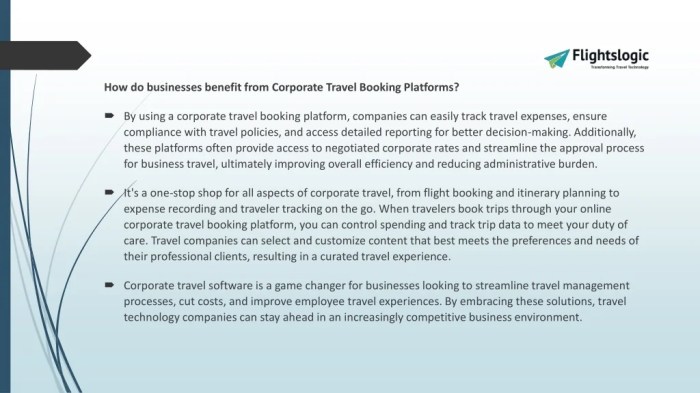
When it comes to traditional booking methods for corporate travel, companies often rely on manual processes and individual arrangements with airlines, hotels, and other service providers.
Common Challenges Faced with Traditional Booking Methods
- Lack of centralized booking system leading to scattered reservations.
- Difficulty in tracking expenses and managing budgets effectively.
- Potential for errors in booking details due to manual entry.
- Limited access to real-time information and updates on travel arrangements.
Impact on Cost and Time Management
- Increased administrative costs associated with managing multiple bookings.
- Potential for higher travel expenses due to lack of negotiated corporate rates.
- Time-consuming process of coordinating travel arrangements individually.
Examples of Traditional Booking Methods in the Travel Industry
One common traditional booking method is contacting travel agents directly to make flight and accommodation reservations. Another example is employees booking their own travel arrangements and submitting reimbursement requests after the trip.
Cost Analysis
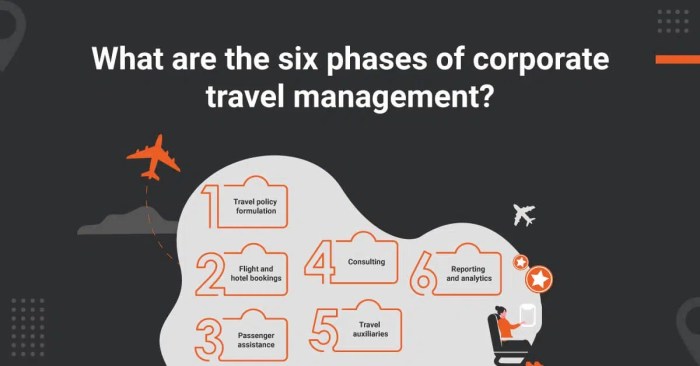 In the realm of corporate travel management versus traditional booking methods, a crucial aspect to consider is the cost implications associated with each approach. Let's delve into the breakdown of cost savings linked to corporate travel management and how this plays a pivotal role in decision-making between the two methods.
Cost Implications
When it comes to cost analysis, corporate travel management often proves to be more cost-effective than traditional booking methods. This is primarily due to negotiated rates, streamlined booking processes, and the ability to track and manage expenses efficiently. By utilizing a centralized platform for booking, companies can access discounted rates from preferred vendors, ultimately reducing overall travel expenses.Cost Savings Breakdown
- Discounted Rates: Through partnerships with airlines, hotels, and car rental agencies, corporate travel management companies can secure lower prices for their clients.
- Efficient Expense Tracking: By centralizing travel bookings, companies can easily monitor and control travel expenses, leading to better budget management.
- Time Savings: With streamlined booking processes and dedicated travel agents, employees can focus on their work instead of spending hours searching for the best travel deals.
Decision-Making Factors
Cost analysis serves as a crucial factor in the decision-making process between corporate travel management and traditional booking methods. Companies need to weigh the initial investment in a travel management program against the long-term cost savings and efficiency gains. By considering factors such as employee productivity, travel expenses, and overall budget impact, organizations can make informed decisions that align with their financial goals.Real-Life Scenarios
In real-life scenarios, many companies have benefited significantly from implementing cost-effective travel management solutions. For instance, a global corporation reported a 20% decrease in travel expenses after adopting a corporate travel management program that negotiated better rates and optimized travel policies. Another company saw a 15% increase in employee satisfaction and productivity due to the streamlined booking processes and personalized travel assistance provided by a travel management company.Technology Integration
Technology integration plays a crucial role in enhancing corporate travel management processes by streamlining operations and improving efficiency. The integration of innovative technologies has revolutionized the way businesses handle travel bookings, making the entire experience more seamless and convenient for travelers.
Automation in Travel Bookings
Automation has become a key component in streamlining travel bookings within corporate settings. By leveraging automated systems and tools, companies can simplify the booking process, reduce manual errors, and save time and resources. This not only improves the overall efficiency of travel management but also allows employees to focus on more strategic tasks.
Innovative Technologies in Corporate Travel
- Mobile Applications: Mobile apps have transformed the way travelers book and manage their trips, providing real-time updates, itinerary details, and travel alerts on-the-go.
- Artificial Intelligence: AI-powered tools help optimize travel itineraries, recommend personalized options, and provide 24/7 customer support for a seamless travel experience.
- Data Analytics: Advanced analytics tools enable companies to track travel expenses, identify cost-saving opportunities, and make data-driven decisions to enhance their travel management strategies.
- Virtual Reality: VR technology is being used to offer virtual tours of accommodations and destinations, allowing travelers to make informed decisions before booking.
Impact of Technology on Traveler Experience
The integration of technology has significantly improved traveler experience and satisfaction by providing personalized services, real-time assistance, and seamless communication throughout the travel journey. From online check-ins to digital boarding passes, technology has transformed the way travelers engage with their trips, making it more convenient and enjoyable.
Wrap-Up
In conclusion, Corporate Travel Management offers a streamlined and efficient way for businesses to manage travel, while Traditional Booking Methods have their own set of benefits and drawbacks. By weighing the cost implications, technology integration, and overall traveler experience, companies can make informed decisions to optimize their travel management strategies.
FAQ Summary
What are some common tools and technologies used in Corporate Travel Management?
Examples include online booking platforms, expense management software, and travel policy compliance tools.
How do Traditional Booking Methods impact cost and time management?
Traditional methods may lead to higher costs due to lack of visibility into travel expenses and time inefficiencies in manual booking processes.
What role does technology play in enhancing Corporate Travel Management processes?
Technology integration automates booking, simplifies expense tracking, and improves traveler experience through real-time updates.
How can cost analysis help in decision-making between Corporate Travel Management and Traditional Booking Methods?
By analyzing cost savings and efficiency gains, companies can determine the most cost-effective and efficient travel management approach.
Can you provide examples of companies benefiting from cost-effective travel management solutions?
Companies like XYZ Inc. reduced travel expenses by 20% after implementing a Corporate Travel Management system.
![[2025] Complete Guide to Corporate Travel Management - ExpenseIn Blog](https://management.radarcirebon.tv/wp-content/uploads/2026/02/key-components-of-a-corporate-travel-management-program-75x75.png)




![[Infographic] 5 Key Workflow Automation Trends | Quixy](https://management.radarcirebon.tv/wp-content/uploads/2025/10/The-Rise-of-Workflow-Automation-5-Key-Trends-to-Keep-Your-Business-Ahead--120x86.png)


![[2025] Complete Guide to Corporate Travel Management - ExpenseIn Blog](https://management.radarcirebon.tv/wp-content/uploads/2026/02/key-components-of-a-corporate-travel-management-program-120x86.png)

![[2025] Complete Guide to Corporate Travel Management - ExpenseIn Blog](https://management.radarcirebon.tv/wp-content/uploads/2026/02/benefits-of-effective-corporate-travel-management-120x86.png)
![[2025] Complete Guide to Corporate Travel Management - ExpenseIn Blog](https://management.radarcirebon.tv/wp-content/uploads/2026/02/key-components-of-a-corporate-travel-management-program-350x250.png)
