

When it comes to legal compliance, Contract Lifecycle Management (CLM) plays a crucial role in ensuring organizations adhere to regulations. Let's delve into how CLM can boost legal compliance and why it's essential for businesses operating in today's complex regulatory environment.
Importance of Contract Lifecycle Management (CLM) in Legal Compliance
Contract Lifecycle Management (CLM) plays a crucial role in ensuring legal compliance within organizations. By effectively managing contracts throughout their lifecycle, CLM helps organizations stay compliant with laws, regulations, and internal policies.
Key Benefits of Using CLM for Legal Compliance
- Centralized Repository: CLM provides a centralized repository for all contracts, making it easier to access and review important legal terms and obligations.
- Automated Alerts: CLM systems can send automated alerts for key contract milestones, ensuring timely action to remain compliant with deadlines.
- Tracking Changes: CLM allows tracking and monitoring of any changes made to contracts, ensuring that all modifications are compliant with legal requirements.
Examples of How CLM Helps Organizations Meet Regulatory Requirements
- Compliance Audits: CLM tools can generate reports that provide visibility into contract compliance status, aiding organizations during audits.
- Risk Mitigation: By ensuring all contracts adhere to legal standards, CLM helps mitigate risks associated with non-compliance and potential legal disputes.
- Standardized Processes: CLM helps establish standardized contract processes that align with regulatory requirements, reducing the likelihood of legal issues.
Components of an Effective Contract Lifecycle Management System
An effective Contract Lifecycle Management (CLM) system consists of several key components that work together to streamline the contract process and ensure legal compliance.
Centralized Repository
A centralized repository is essential for storing all contracts in one secure location. This component allows for easy access to contracts, ensuring that all parties involved have the most up-to-date information.
Automated Workflows
Automated workflows help in standardizing the contract process, reducing errors, and ensuring that all necessary steps are followed. This component minimizes the risk of non-compliance by enforcing approval processes and deadlines.
Contract Authoring Tools
Contract authoring tools simplify the creation of contracts by providing templates, clause libraries, and compliance checks. These tools help in creating accurate and compliant contracts efficiently.
Risk Assessment and Compliance Monitoring
Risk assessment and compliance monitoring tools analyze contracts for potential risks and monitor compliance with regulatory requirements. These components help in identifying and addressing any compliance issues proactively.
Reporting and Analytics
Reporting and analytics tools provide insights into contract performance, compliance levels, and potential areas of improvement. By analyzing data, organizations can make informed decisions and optimize their contract processes for better legal compliance.
Automation and Streamlining Processes with CLM
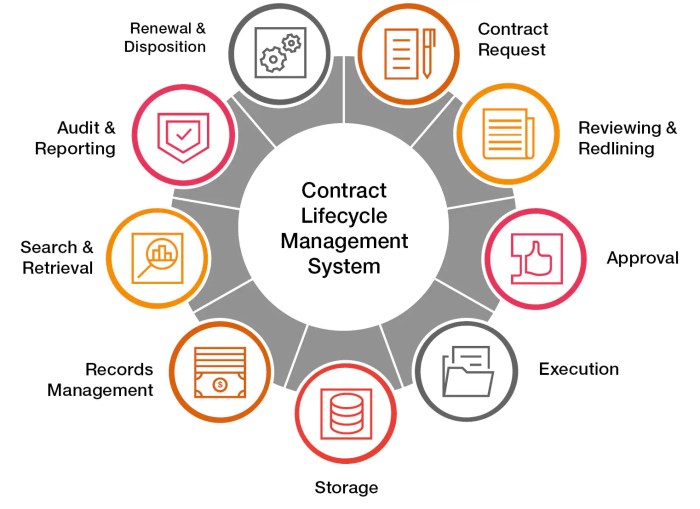
Automation plays a crucial role in improving legal compliance in contract management by reducing human error and ensuring consistency in contract creation, negotiation, and approval processes. By automating routine tasks such as contract drafting, approval workflows, and compliance monitoring, organizations can minimize the risk of non-compliance and legal disputes.
Impact of Automation on Legal Compliance
Automating contract lifecycle management processes not only accelerates the contract lifecycle but also enhances visibility and control over contractual obligations and risks. Automated CLM systems can enforce standardized contract templates, track key milestones and deadlines, and provide alerts for renewal or termination dates, ensuring that all contracts comply with regulatory requirements.
Impact of Streamlining Processes on Compliance
Streamlining processes through automated CLM systems can significantly improve compliance by reducing bottlenecks, delays, and inefficiencies in contract management. By automating tasks such as document generation, approval routing, and compliance monitoring, organizations can ensure that contracts are created, reviewed, and executed in a timely and compliant manner, minimizing the risk of legal issues.
Best Practices for Implementing Automated CLM Systems
- Define clear processes: Establish standardized workflows and approval processes to ensure consistency and compliance in contract management.
- Utilize smart templates: Implement intelligent contract templates with pre-approved clauses and language to streamline contract creation and negotiation.
- Integrate with other systems: Integrate CLM systems with other enterprise applications such as CRM or ERP systems to ensure data consistency and accuracy.
- Provide training and support: Offer comprehensive training and support to users to maximize adoption and utilization of automated CLM systems.
- Regularly review and update: Continuously review and update automated CLM systems to adapt to changing regulations and business requirements.
Enhancing Risk Management Through Contract Lifecycle Management
Contract Lifecycle Management (CLM) plays a crucial role in enhancing risk management within legal compliance. By effectively managing contracts throughout their lifecycle, organizations can identify, assess, and mitigate various risks associated with contract management.
Common Risks in Contract Management and How CLM Mitigates Them
When it comes to contract management, there are several common risks that organizations face, such as:
- Inaccurate or incomplete contracts
- Non-compliance with regulatory requirements
- Missed deadlines or renewals
- Lack of visibility into contract terms and obligations
CLM helps mitigate these risks by providing a centralized repository for all contracts, ensuring that contracts are accurate and complete, automating key processes to meet compliance requirements, and sending alerts for key dates and milestones.
Examples of Successful Risk Management Strategies Integrated into CLM
Organizations can integrate various risk management strategies into their CLM processes to enhance compliance and mitigate risks effectively. Some examples include:
- Implementing approval workflows to ensure all contracts are reviewed by the appropriate stakeholders
- Utilizing contract templates with pre-approved clauses to standardize contract terms
- Leveraging analytics and reporting capabilities to identify potential risks and opportunities for improvement
- Integrating e-signature capabilities to streamline contract execution and reduce errors
The Role of Data Analytics in Ensuring Legal Compliance with CLM
Data analytics tools play a crucial role in ensuring legal compliance within Contract Lifecycle Management (CLM) systems. By leveraging data-driven insights, organizations can monitor contract compliance more effectively and proactively address any potential risks or issues that may arise.
Importance of Data-Driven Insights for Monitoring Contract Compliance
Data analytics provide organizations with the ability to track key metrics, identify patterns, and gain valuable insights into their contract management processes. By analyzing data related to contract performance, obligations, and risks, companies can ensure that all contractual agreements adhere to legal requirements and company policies.
Examples of Leveraging Data Analytics within CLM for Legal Purposes
-
Utilizing data analytics to monitor contract milestones and deadlines, ensuring timely compliance with legal obligations.
-
Identifying trends in contract negotiations and terms to optimize future agreements and minimize legal risks.
-
Using predictive analytics to forecast potential legal issues or compliance challenges, allowing organizations to take proactive measures to mitigate risks.
Closing Notes
In conclusion, Contract Lifecycle Management is a powerful tool that not only streamlines processes but also enhances legal compliance for organizations. By integrating CLM into their operations, businesses can effectively mitigate risks and ensure adherence to regulations, ultimately leading to smoother contract management practices.
FAQ Guide
How does CLM help organizations meet regulatory requirements?
CLM helps organizations stay compliant by centralizing contract information, ensuring timely renewals, and providing alerts for key milestones, thus reducing the risk of non-compliance.
What are some examples of software solutions that encompass essential CLM components?
Some examples of software solutions include ContractWorks, Concord, and Icertis, which offer features like contract creation, approval workflows, and compliance tracking.
How can automation improve legal compliance in contract management?
Automation reduces manual errors, speeds up contract processes, and ensures consistency in compliance checks, leading to greater efficiency and accuracy in legal compliance.
What is the role of data analytics in ensuring legal compliance with CLM?
Data analytics tools provide insights into contract performance, compliance trends, and potential risks, enabling organizations to make data-driven decisions and enhance legal compliance measures.





![[Infographic] 5 Key Workflow Automation Trends | Quixy](https://management.radarcirebon.tv/wp-content/uploads/2025/10/The-Rise-of-Workflow-Automation-5-Key-Trends-to-Keep-Your-Business-Ahead--120x86.png)


![Checklist: How to protect your digital life [PMP #136] - Paul Minors](https://management.radarcirebon.tv/wp-content/uploads/2025/10/checklist-protect-your-digital-life-120x86.jpg)


![Checklist: How to protect your digital life [PMP #136] - Paul Minors](https://management.radarcirebon.tv/wp-content/uploads/2025/10/checklist-protect-your-digital-life-350x250.jpg)
